Are you seeing profits on your balance sheet but struggling to pay bills on time?
As we navigate the business landscape of 2025, cash flow management remains the undisputed lifeline of small businesses in the Catalyst CPA service area. Consequently, mastering liquidity allows you to survive and thrive.
Essential Takeaways
- Forecasting prevents dangerous cash shortages and enables proactive decisions.
- Optimization of invoicing shortens payment cycles and improves liquidity.
- Reserves safeguard your operations against unexpected financial challenges.
Why Cash Flow Management Matters for Your Business
Cash flow isn’t just a financial term—it’s the oxygen that keeps your business breathing. Without positive cash flow, you can’t pay suppliers, meet payroll, or invest in growth opportunities. In 2025, with fluctuating economic conditions and rising operational costs, effective cash flow management has become even more critical for every Riverside County accountant and business owner.
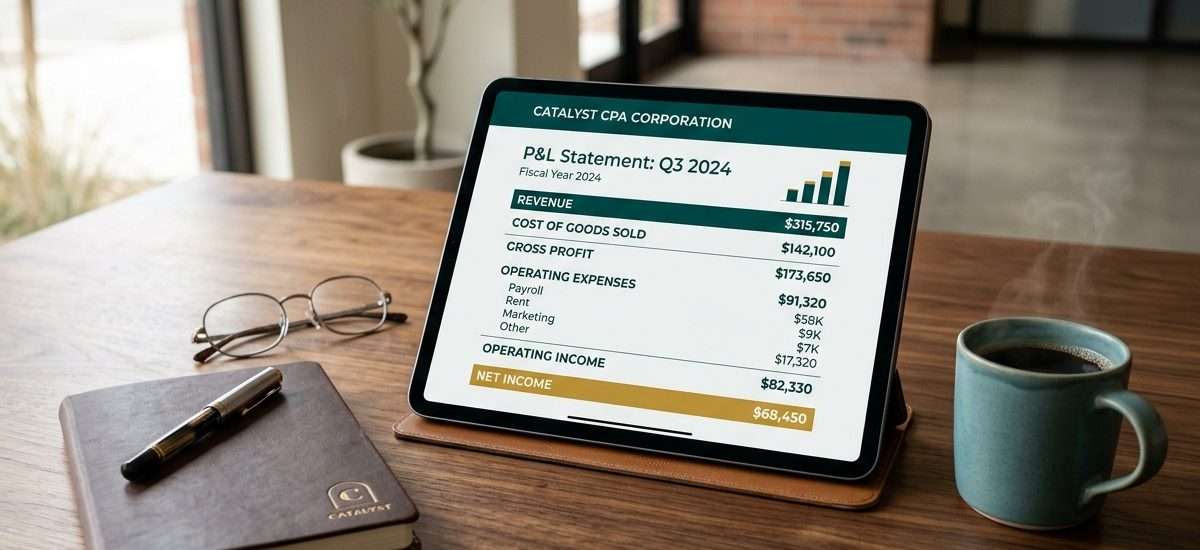
The key distinction lies between profitability and cash flow. A business can be profitable yet cash-starved if revenues arrive too slowly or expenses are paid too quickly. By mastering these strategies, you’ll ensure your business remains agile and prepared for opportunities.
The Consequences of Poor Cash Flow
Businesses without solid cash flow management often resort to high-interest financing or miss valuable discounts. This creates a vicious cycle of debt that hinders long-term growth and innovation.
Building Financial Resilience
Strong management provides the foundation for strategic decisions. It enables you to invest in technology, hire talent, or expand operations without financial vulnerability. For expert guidance, consider our business consulting services.
Forecasting Strategies for Cash Flow Management
Forecasting serves as your crystal ball for cash management. By projecting future cash positions, you can anticipate shortfalls and plan accordingly. Start with rolling 12-month forecasts that incorporate seasonal fluctuations and planned expenditures.
Use simple tools like spreadsheets or accounting software to track cash inflows and outflows. Analyze patterns from previous years to predict busy and slow periods. Factor in payment terms from customers and suppliers to create realistic projections.
Incorporate sensitivity analysis to understand how changes in key assumptions affect your cash position. This approach helps you stress-test your forecasts against various scenarios.
Weekly Cash Updates
Maintain weekly cash flow updates to catch issues early. Review actual revenues against projections and adjust forecasts accordingly. Refer to SBA guidelines for additional forecasting tips.
Difference Between Profit and Cash Flow
Remember that non-cash items like depreciation can make a business appear more profitable than it truly is in terms of cash generation.
Optimizing Accounts Receivable and Collections
Your receivables represent potential cash that’s temporarily unavailable for operations. Speeding up collections directly improves cash flow by reducing the time between sales and cash receipts.
Implement clear payment terms at 30 days or less for most customers. Offering slight discounts for early payment can encourage faster settlements. Send invoices immediately upon delivery of goods or services.
Create written payment policies and communicate them clearly to customers. Use automated reminders for overdue payments without alienating clients. If you need a CPA Moreno Valley businesses trust, we can help optimize your billing.
Ready to Transform Your Tax Strategy?
Managing Expenses and Accounts Payable
Strategic timing of expenses creates opportunities to preserve cash while maintaining operational efficiency. Review all recurring expenses for potential savings without compromising business quality. Our bookkeeping services can help track these patterns.
Negotiate longer payment terms with suppliers to extend your cash runway. Analyze expense patterns to identify areas for cost reduction. Implement zero-based budgeting to justify every expense from scratch.
Schedule major expense payments around high-revenue periods. This approach minimizes the impact on your cash position during slower times.
Vendor Negotiations
Build relationships with suppliers that allow flexible payment terms during temporary cash shortages. Effective negotiation is a key part of cash flow management.
Building Cash Reserves and Emergency Funds
An emergency fund acts as a financial safety net against unexpected events. Aim for 3-6 months of operating expenses in reserve accounts. This is crucial for 2025 financial planning.
Start small with weekly or monthly reserve contributions. Treat these as non-negotiable priority payments, much like utilities or rent.
Separate emergency funds from regular operating accounts to avoid temptation. Consider high-yield savings accounts for better returns while maintaining liquidity.
Common Cash Flow Management Mistakes to Avoid
Business owners often undermine their cash management efforts through predictable errors.
- Overestimating Revenues: Base projections on conservative, historical data rather than optimistic assumptions.
- Loose Credit: Extending credit indiscriminately leads to write-offs. Implement credit checks first.
- Ignoring Seasonality: Failing to maintain expense discipline during good times creates problems later.
Check AICPA standards for more professional guidance on avoiding these pitfalls.
Frequently Asked Questions About Cash Flow Management
What is the most important first step?
Implement accurate cash flow management forecasting to understand your business’s cash position. Furthermore, this helps predict future shortfalls before they become critical.
How can I get customers to pay faster?
Offer small discounts for early payment and send clear invoices with payment terms. Additionally, use automated reminders for overdue payments to maintain liquidity optimization.
What’s a good target for emergency reserves?
Build 3-6 months of operating expenses in dedicated reserves. However, this depends on your specific industry and risk factors.
Ready to Revolutionize Your Financial Future?
Discover how Catalyst CPA transforms businesses like yours.
About Catalyst CPA
We’re the catalyst for your financial transformation. Moreover, our certified experts deliver personalized strategies that drive measurable results for Inland Empire business services.
Important Notice: Information only — not tax, accounting, or legal advice. Rules change and facts matter. Talk to a qualified professional before acting. Reading this post doesn’t create a CPA–client relationship. Review our Terms of Service for complete details.