
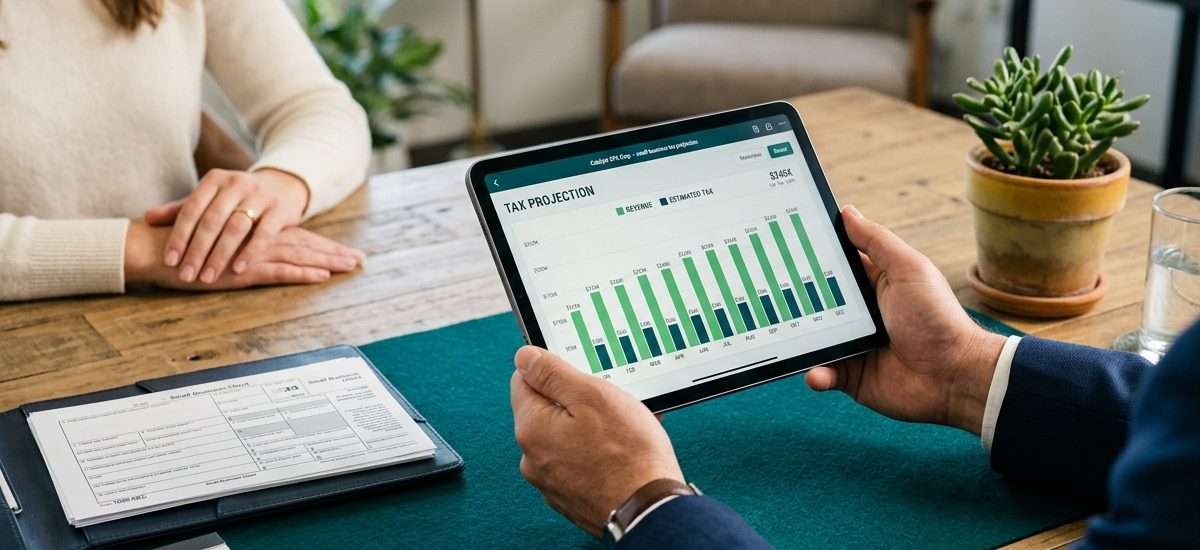
Are you maximizing your potential savings before the fiscal year concludes?
As businesses approach the final months of the year, making strategic equipment purchases can significantly impact your technology tax benefits 2026. Furthermore, with evolving tax incentives and changing depreciation rules, understanding how to maximize these investments is crucial for your financial success.
Essential Takeaways
- Master enhanced Section 179 deductions for 2026 technology investments
- Discover strategic purchase timing to boost your tax savings
- Unlock compound savings by combining multiple tax incentives
Understanding Technology Tax Benefits 2026
The tax landscape for digital investments continues to evolve, offering businesses significant opportunities for savings. As a trusted CPA in Moreno Valley, we see several key provisions making 2026 technology investments particularly attractive:
- Section 179 Limits: Deduction limits adjusted for inflation.
- Bonus Depreciation: Modified rates for new equipment.
- Special Provisions: Incentives for software and cloud solutions.
Strategic Technology Categories for Deductions
When planning your technology tax benefits 2026 strategy, focus on these tax-advantaged categories to maximize your returns.
1. Hardware Investments
- Core Infrastructure: Computers, servers, and networking equipment.
- Operational Hardware: Point-of-sale systems and mobile devices.
2. Software Solutions
- Management Tools: Accounting and financial management software.
- Growth Systems: CRM systems and industry-specific applications.
- Security: Advanced cybersecurity solutions.
3. Cloud Computing and Infrastructure
- Services: Cloud storage and computing services.
- Connectivity: VPNs and collaboration tools.
Need Help Planning Your Technology Investments?
Maximizing Section 179 for Technology
Section 179 remains a powerful tool for businesses seeking tax preparation advantages. To fully leverage this provision according to IRS guidelines, follow these steps:
- Qualification: Identify eligible technology purchases.
- Strategy: Plan purchase timing strategically.
- Documentation: Verify business use requirements.
- Implementation: Track installation dates precisely.
Timing Your Investments for Success
Strategic timing of purchases is essential for securing your technology tax benefits 2026. Consider these factors:
- Installations: Complete year-end equipment setups.
- Timelines: Finalize software implementation schedules.
- Cash Flow: Evaluate financial implications carefully.
- Depreciation: Account for relevant schedules.
Combining Incentives for Maximum Benefit
Our business consulting experts often recommend stacking incentives. This approach yields optimal savings:
- Federal Stacking: Section 179 with bonus depreciation.
- Local Benefits: State-specific technology incentives.
- Efficiency: Energy credits for qualifying equipment.
- Grants: Small business technology funding.
Critical Alert: Always verify eligibility requirements for each incentive. Rules can vary significantly based on your business structure and location.
Practical Implementation Checklist
- Assess current technology needs and gaps.
- Research qualifying equipment and software.
- Calculate potential tax savings.
- Develop an implementation timeline.
- Consult with your Inland Empire accountant.
Frequently Asked Questions About Tax Benefits
What qualifies for Section 179 in 2026?
Most business-use technology equipment, off-the-shelf software, and certain cloud-based solutions qualify. However, they must be placed in service during the tax year.
Are software subscriptions deductible?
While traditional software purchases qualify for Section 179, cloud subscriptions typically fall under operational expenses. Nevertheless, they remain fully deductible as business costs.
Free Download · 2026 Edition
Real Estate Investor Tax Deduction Checklist
Every rental-property deduction category with its IRS source — depreciation, repairs vs. improvements, QBI, §1031, audit triggers. Compiled by Adham Abadier, CPA (CA License #158599).
We email the PDF instantly, plus two short follow-up tips this week. No newsletter — one-click unsubscribe.
How does bonus depreciation work?
Bonus depreciation allows for additional first-year depreciation of qualifying purchases. It complements Section 179 benefits for larger technology investments effectively.
What documentation is required?
Maintain detailed records of purchase invoices and installation dates. Furthermore, keep business use documentation and relevant equipment certifications for AICPA standards compliance.
Ready to Revolutionize Your Financial Future?
Discover how Catalyst CPA transforms businesses like yours.
About Catalyst CPA
We’re the catalyst for your financial transformation. Moreover, our certified experts deliver personalized strategies that drive measurable results for our Riverside County CPA clients.
Important Notice: Information only — not tax, accounting, or legal advice. Rules change and facts matter. Talk to a qualified professional before acting. Reading this post doesn’t create a CPA–client relationship. Review our Terms of Service for complete details.
Catalyst CPA Newsletter
Get 2026 tax-saving tips in your inbox
Real, CPA-written guidance for Inland Empire small businesses — bookkeeping, tax planning, IRS updates. No spam, unsubscribe anytime.
By subscribing you agree to receive emails from Catalyst CPA. We never share your email. Unsubscribe with one click anytime. Questions? Call (951) 223-1826.